Bermuda Condo Fees Explained: Service Charges, Insurance and Ownership Costs

A condominium can look affordable on the listing page, then feel very different once you add the monthly fee, land tax, insurance and utilities. If you are buying in Bermuda, the useful question is not “What is the average condo fee?” It is “What will this particular unit cost me, and what could change?”
The answer lies in the development’s budget, insurance policies and governing documents. The asking price alone cannot tell you whether the monthly charge covers a pool, future repairs or only basic upkeep. Here is how to check the numbers before you commit.

What does a Bermuda condo fee pay for?
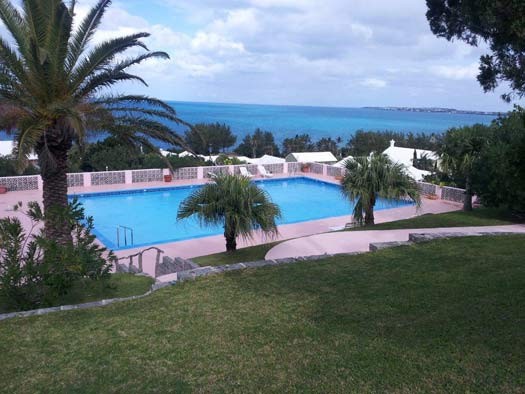
A condo fee is your contribution to costs shared across a development. Depending on the property, its budget may include maintenance of common grounds, roofs or other shared areas, management, common utilities, amenities and building insurance. The actual inclusions depend on the development’s documents. A pool pictured in a listing, for example, tells you that an amenity exists, but not how much its upkeep adds to your fee.
Bermuda’s Condominium Act 1986 allows a condominium corporation to establish a fund for administrative expenses, including management of common property and insurance premiums. It also provides for contributions from owners according to their units’ registered factors. Ask for the current budget and the contribution assigned to the unit you want to buy. Do not assume that every unit in the development pays the same amount.
A real listing shows why the fee needs context
The Property Group’s Mount Langton condominium in Pembroke lists a condo fee of $700 per month and annual land tax of $2,730. The listing also describes a shared pool and garden. Those are figures for this unit, not a market average or a promise that another condominium will have comparable charges.
At the listed amounts, the fee comes to $8,400 a year. Adding the stated land tax gives $11,130 a year, equivalent to $927.50 a month, before any mortgage payment, personal insurance, utilities or other unit costs. Confirm the current fee and tax figures with the agent and your legal adviser, since listing details and future budgets can change.

For comparison, The Havens Unit 1 in Warwick is also listed as a condominium and describes shared grounds and assigned parking, but its online listing does not state a condo fee. Request the figure and its inclusions before comparing its purchase price with Mount Langton’s. A missing figure is not a zero cost.
You can browse The Property Group’s condominiums for sale to start a shortlist, then ask for a separate ownership cost breakdown for each property that interests you.
Check what the building insurance covers
Insurance is an important item to examine when comparing units in different buildings. Under the Condominium Act 1986, the corporation must insure the units, apart from improvements made by owners, and the common property against fire and windstorm damage. Its bylaws can also affect coverage for improvements and other perils.
That does not tell you everything about the policy for the building you are considering. Ask to see the current policies, insured amounts, exclusions and deductibles. Check who pays a deductible after damage and whether alterations inside the unit are covered. Discuss any gaps and your personal contents or liability cover with an insurer before relying on a quoted fee as your complete insurance cost.

An intending purchaser can request copies of the corporation’s insurance policies under the Act. Ask early enough to review them alongside the budget.
Read the budget before judging the fee
A lower monthly fee can be attractive, but it does not show whether the building has planned for future work. Exterior surfaces, roofing and shared facilities need attention over time. A budget that covers routine cleaning but makes little provision for foreseeable repairs may leave owners facing a larger contribution later.
Request the current budget, the latest available financial statements and minutes of general meetings. Look for planned repairs, recent spending, unpaid contributions and any discussion of extra charges. Ask whether money has been set aside for major work and how that amount compares with the work being planned. There is no useful universal reserve percentage for every building. The relevant comparison is between its available funds, its condition and its likely costs.
The Condominium Act 1986 gives an intending purchaser a route to request specified information in writing, including the current budget if one exists, the latest available financial statements, the bylaws, minutes of general meetings and a statement of contributions due for a unit. The Act provides a 20 day response period for that written request. Your legal adviser can help you obtain and understand the documents relevant to your purchase.

Questions worth asking about any unit
- What is the current fee for this unit, when is it due and what does it include?
- Has the fee changed recently, and is another increase being discussed?
- What balance is available for major repairs, and what work is planned?
- Are any additional owner contributions approved or under discussion?
- What are the insurance deductibles, and how are they shared after a claim?
- Are electricity, water, internet, parking or other services billed separately?
- Are any contributions outstanding on the unit, and how will they be handled at completion?
These questions turn a headline monthly figure into a clearer account of the obligations you may inherit.
Budget for costs outside the service charge
Condo fees are one part of ownership. Depending on the unit and your circumstances, you may also pay land tax, utilities, insurance for your belongings or improvements, mortgage payments and costs relating to the purchase. Ask the agent which charges are included, then confirm legal and insurance matters with the relevant professionals.
Also check precisely what you are buying. The Property Group’s condo results include both full unit listings and fractional interests. A fractional interest has a different ownership arrangement from buying an entire unit, so its asking price should never be treated as a direct comparison without reviewing its documents and recurring charges.
Make your next viewing a cost review
When a condominium catches your eye, ask for the monthly fee and a breakdown at the same time as you request a viewing. Use the Mount Langton example as a method: calculate the annual fee, add the property’s stated land tax, then add the costs that apply to you. Review the building’s records before deciding whether that total fits your budget.
Explore current condominiums with The Property Group, or contact the team about a specific property’s fees and documents. You can also call 441 234 6900. Ask for the current figures for the unit you are considering so you can compare properties on their full ownership costs.
Frequently asked questions
Is there one average condo fee for Bermuda?
An islandwide number would not tell you what a particular unit costs. Fees depend on that development’s budget and the unit’s allocated contribution. Request the current amount for each property on your shortlist.
Does a condo fee include my personal insurance?
Do not assume it does. Review the corporation’s policy and ask an insurer what separate cover you need for belongings, improvements and liability.
Can a condo fee go up?
The amount can change when the corporation sets contributions for its expenses. Ask for the current budget and meeting minutes to understand whether increases or additional contributions have been discussed.
What if the seller does not have the documents?
Ask your legal adviser about requesting the information directly from the condominium corporation under the Condominium Act 1986. Review the response before making a decision based on the fee alone.