Should You Renovate Before Selling Your Bermuda Property?
You stand in your living room, mentally tallying the cost of new tiles, kitchen cabinets and a coat of paint. Will spending £30,000 on renovations add £50,000 to your sale price, or will you simply be subsidising someone else's dream home at your own expense?
It's the question that keeps Bermuda homeowners awake at night. The answer, frustratingly, is not universal. A 1970s Devonshire family home needs different preparation than a Flatts cottage or Hamilton Parish waterfront estate. Whether renovation pays off before a sale depends on your property type, location, target buyer and the specific improvements you're considering. More importantly, it hinges on understanding how Bermuda's housing market values upgrades.
Let's cut through the renovation mythology and look at what matters when preparing a Bermuda property for market.
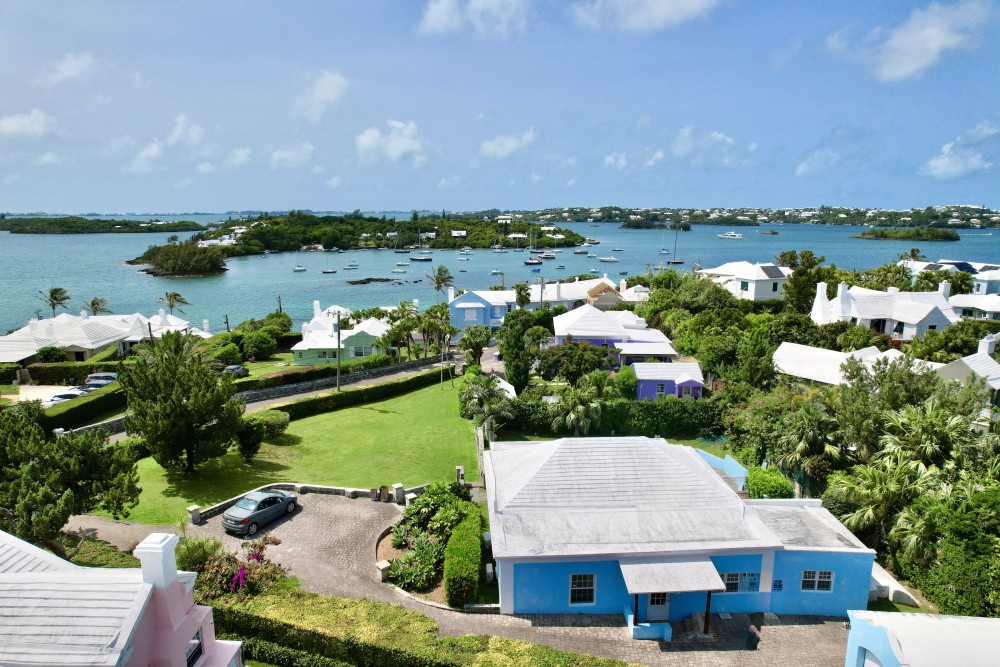
The renovation paradox in Bermuda's unique market
Bermuda's property landscape operates under different rules than many international markets. Ownership eligibility, the properties available to each buyer category and the supply of comparable homes can all affect demand. Before planning improvements around a particular audience, ask your agent which buyers can purchase your property.
A beautifully renovated home in Tucker's Town may attract international buyers expecting turnkey luxury. That same level of finish in a Warwick family property might represent overinvestment, pricing you above comparable sales without expanding your buyer pool.
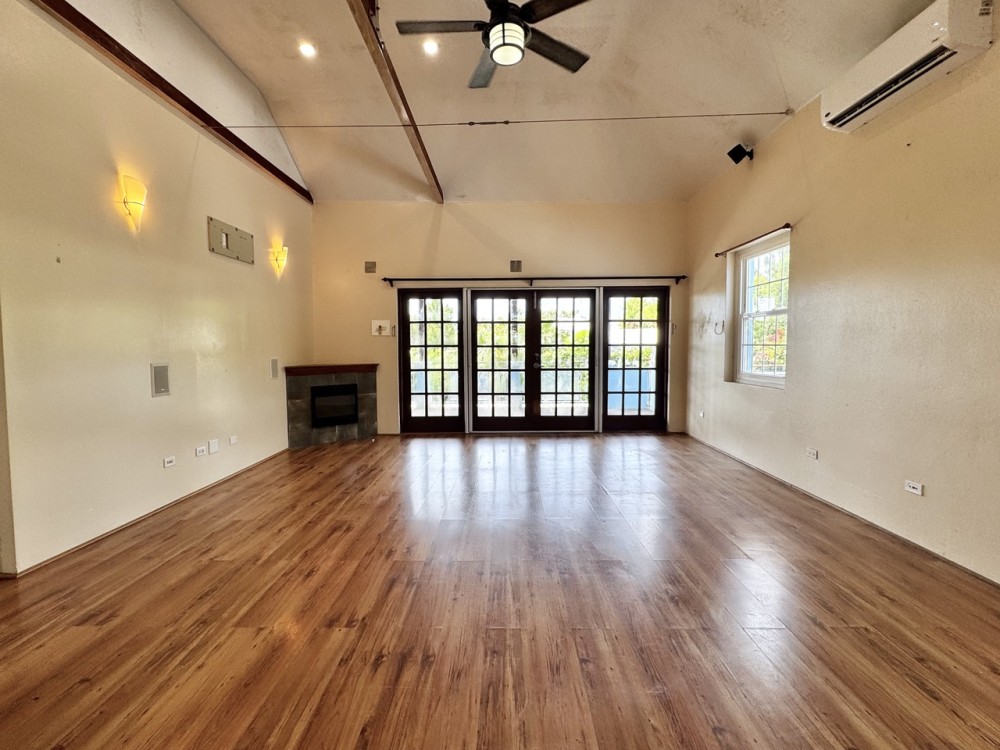
Consider the practical realities: a Southampton coastal cottage with original features might appeal precisely because it offers renovation potential, while a modern Paget residence may lose its competitive edge if interiors feel dated. Renovation can make your property more appealing without adding enough value to cover its cost. Appeal and value are not synonyms, and confusing the two costs sellers real money.
Which improvements actually move the needle?
Not all renovations carry equal weight in a buyer's mind. Some updates trigger emotional responses that translate to offers. Others are noticed, appreciated and then overtaken by the findings in the buyer's survey.
Kitchens and bathrooms influence buyer perception, but the financial outcome depends on execution and the property's price bracket. A £15,000 kitchen refresh with new doors, worktops and appliances may improve presentation substantially. A £40,000 bespoke kitchen might look stunning in your estate agent's photos without commanding a premium that justifies the spend.
Fresh neutral paint throughout makes spaces feel larger, cleaner and ready to occupy. It can also eliminate a task from the buyer's mental list. Professional cleaning, minor repairs, fixing that temperamental bathroom tap and ensuring every light fixture works might sound trivial, but these details compound into an impression of a home that has been cared for.
Decluttering and depersonalising allow buyers to imagine their own lives in the space rather than mentally editing out your family photos and furniture. You're helping them see how the property could become their home.
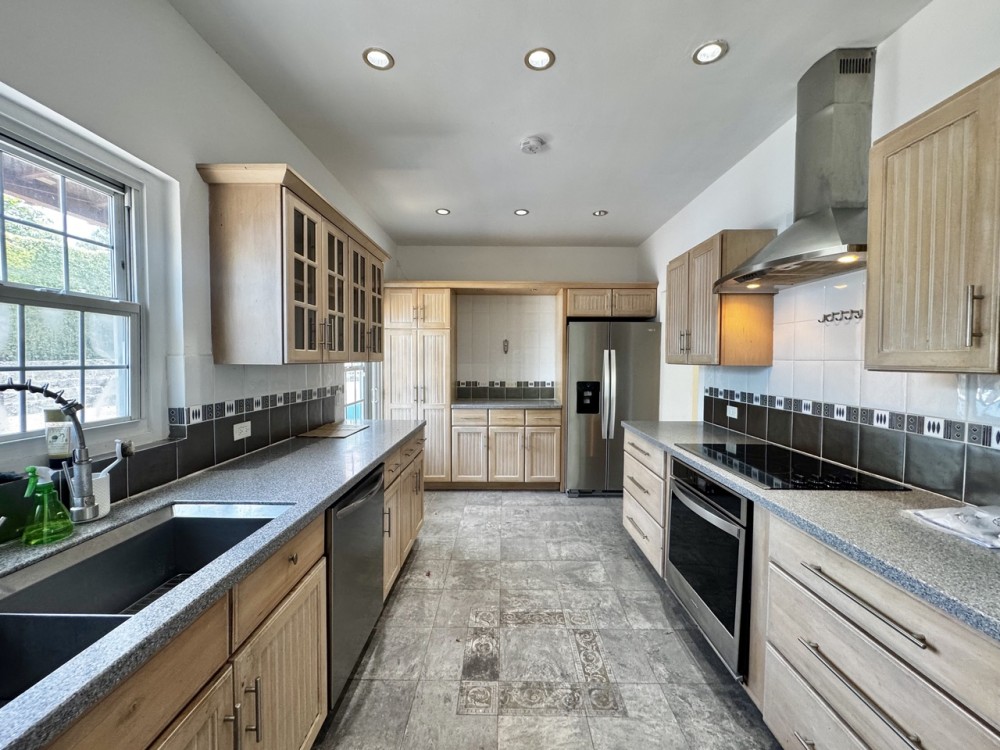
Red flag repairs versus optional upgrades
Understanding the difference between essential repairs and discretionary improvements is critical to making smart renovation decisions before sale.
Issues that can disrupt a sale
Structural problems, foundation cracks, concerns about load bearing walls or subsidence can delay a sale and lead to requests for specialist reports, repairs or substantial price reductions. Roof damage, particularly after hurricane season, can become a significant negotiation point. Damp and water ingress can also raise concerns about ongoing maintenance.
Electrical safety concerns and faulty installations deserve professional assessment. Plumbing failures, persistent leaks and corroded pipes fall into the same category. Establish the scope and cost of known problems before deciding whether to repair them or reflect them in the asking price.
Bermuda property features to assess carefully
Storm protection: Review the condition of shutters, windows and other storm protection measures. Ask a qualified professional to assess any concerns about structural resilience rather than assuming cosmetic improvements will reassure buyers.
Water tank condition: Rainwater storage is an important consideration for Bermuda homes. A leaking or contaminated tank can create repair costs and affect everyday use. Establish its condition and any maintenance requirements before marketing.
Water catchment surfaces: The condition of the roof surface used for rainwater collection affects maintenance planning. Damaged or deteriorating surfaces deserve appropriate inspection and attention.
Wastewater arrangements: Confirm the property's wastewater system and its maintenance history. Where problems are suspected, obtain advice from a qualified local professional.
Optional upgrades buyers may accept doing themselves
New appliances, modern worktops and updated cabinetry make properties more attractive but do not always determine whether a sale proceeds. Buyers may accept dated kitchens if the price reflects the work required.
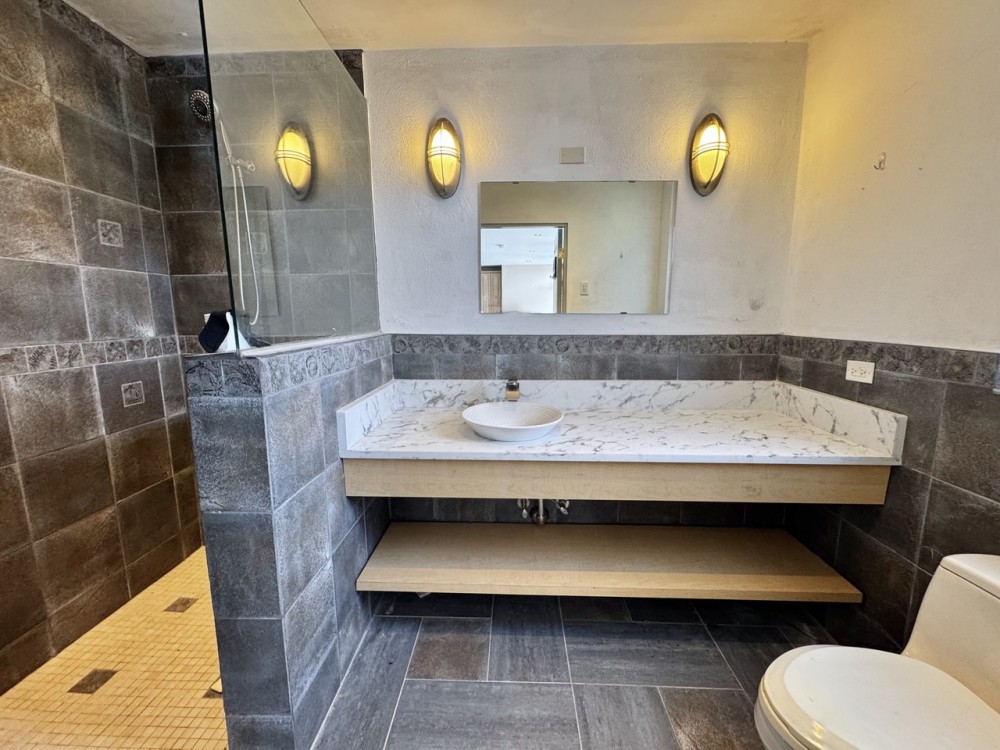
New tiles, refinished hardwood and replacement carpeting can improve presentation without being essential to every sale. The same applies to landscaping, decorative painting schemes and bathroom fixtures that work properly but look tired.
Prioritise understanding and resolving serious defects. Then assess discretionary improvements against your budget, timeline and likely buyer.
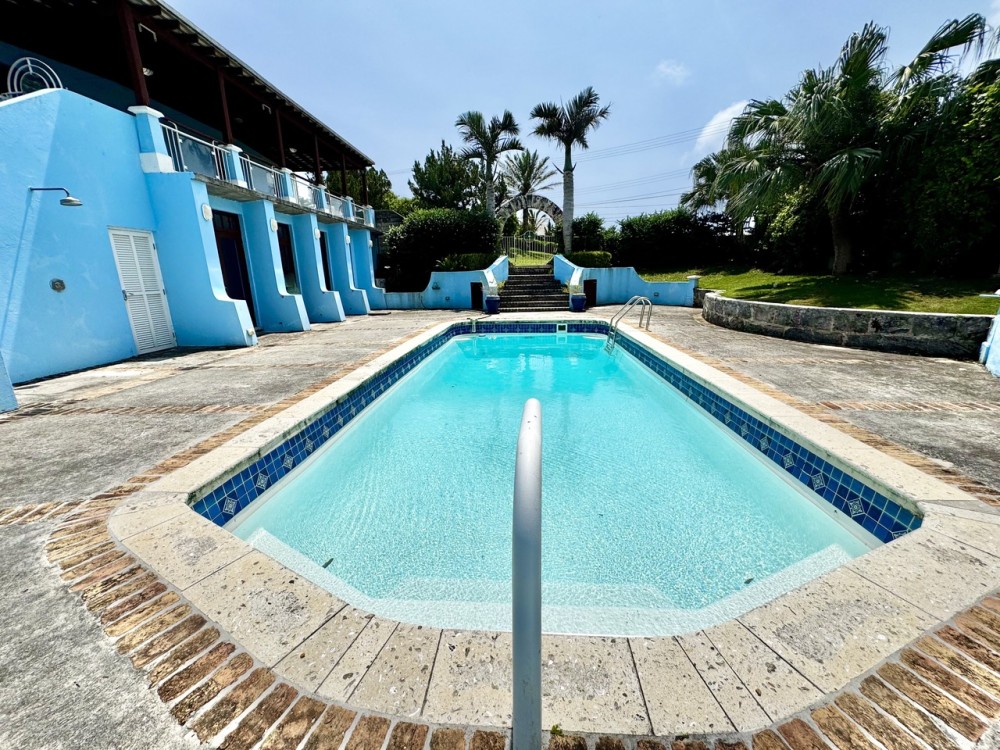
Outdoor space: an important part of Bermuda property presentation
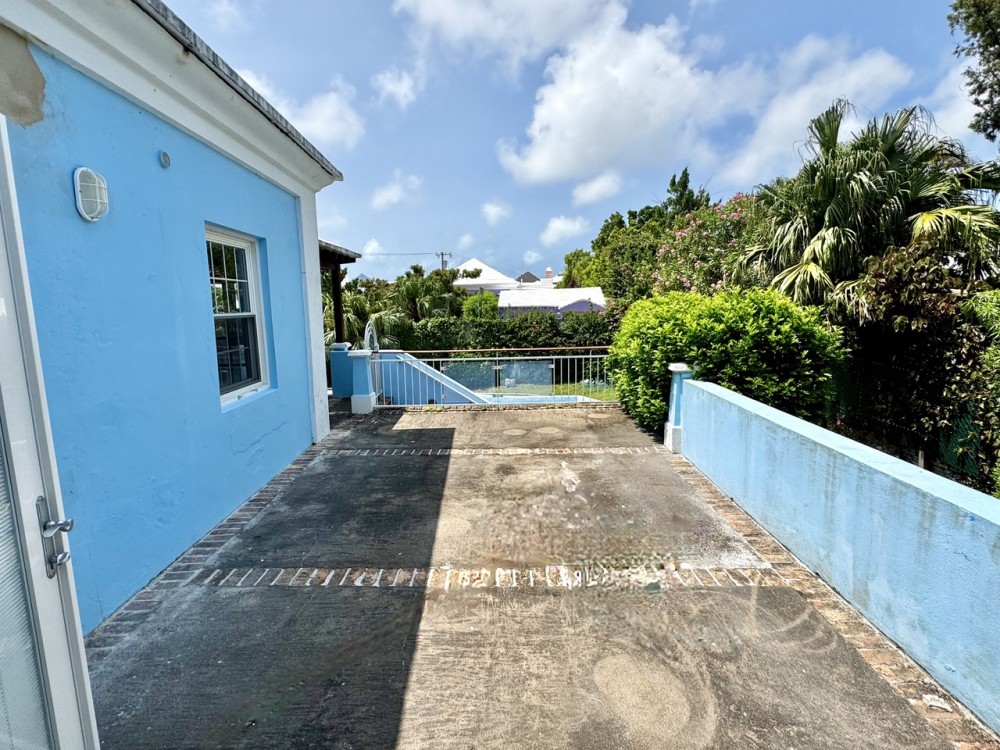
Gardens, terraces and pools form part of the lifestyle many Bermuda buyers are considering. Their condition should be assessed alongside interior presentation.
Landscaping and storm preparation
Mature trees and established landscaping create kerb appeal, but neglected vegetation can raise maintenance concerns. Overgrown planting near structures, dead branches and unsecured garden features deserve attention. Strategic trimming and responsible maintenance help present the property clearly.
Pool maintenance expectations
A clean, functioning pool can be an appealing feature. Cracked tiles, broken equipment, algae growth or suspected structural problems instead give buyers another cost to consider. If you have a pool, arrange appropriate servicing and address known problems before viewings or account for them in your sale strategy.
Roof and catchment presentation
Beyond its functional importance, the visible condition of your roof creates an immediate impression. Staining, biological growth or visible deterioration may prompt questions about maintenance elsewhere in the property.
Deciding what to spend outdoors
A £5,000 budget for garden restoration, pool servicing and outdoor presentation may be more useful than a £15,000 bathroom refit if the garden and pool are currently the weakest parts of the viewing experience. The right allocation depends on the property's condition and comparable homes.
The Property Group's Warwick listing, reference PW-897, illustrates how outdoor features form part of a property's positioning. Its description highlights landscaped grounds, a swimming pool, a lawn and an outdoor entertaining area alongside the accommodation. These features give sellers useful points to compare when assessing their own presentation priorities.
Understanding your buyer pool
Renovation decisions must account for who will actually view your property. The buyer profile for a Warwick family home can differ from that of a Paget executive residence or a Tucker's Town luxury estate.
International buyers and luxury properties
Buyers seeking luxury properties may expect contemporary finishes, modern kitchens, updated bathrooms and convenient technology. Some will compare Bermuda homes with properties elsewhere in the world. If your property sits in this bracket, dated interiors may affect interest even when the setting is attractive.
For a Hamilton Parish waterfront estate targeting buyers who want immediate occupation, more extensive renovation may deserve consideration. However, the expected premium still needs to be tested against relevant comparisons and the full project cost.
PRC holders and established residents
PRC holders and established residents may already understand Bermuda's maintenance challenges, the cost of materials and labour, and the practicalities of island living. Some may be willing to take on renovation themselves if the property suits their needs and the price reflects its condition.
A 1970s Devonshire family home or Flatts cottage might benefit more from sensible pricing and a clear account of its condition than expensive cosmetic updates. Spending heavily can backfire if buyers would prefer to choose their own finishes.
First time buyers and young families
First time buyers and young families may prioritise usable space, functional kitchens and bathrooms, location and affordability over premium finishes.
For properties in this segment, addressing deferred maintenance, ensuring systems work reliably and presenting a clean, neutral space can be a practical starting point.
Before committing to any renovation budget, assess who your likely buyer is and what drives their purchasing decision.
Renovation returns by property type in Bermuda
The following illustrative scenarios retain the draft's renovation budgets and potential value increases. They are planning examples in pounds sterling, rather than contractor quotations, property valuations or predictions of current Bermuda market returns.
On smaller screens, scroll horizontally to view every column.
| Property type | Illustrative renovation cost | Illustrative value increase | Scope to assess | Key variables |
|---|---|---|---|---|
| Warwick family home | £15,000 to £25,000 | £10,000 to £20,000 | Cosmetic refresh: paint, minor kitchen and bathroom updates, garden restoration. | Buyer budget, comparable homes and the risk of spending more than the market will recognise. |
| Paget executive residence | £35,000 to £60,000 | £25,000 to £50,000 | Kitchen and bathroom renovations, outdoor improvements and updated fixtures. | Existing condition, finish quality, competing properties and total project duration. |
| Luxury Tucker's Town estate | £75,000 to £150,000 or more | £50,000 to £125,000 | Comprehensive kitchen and bathroom upgrades, smart systems, landscaping and pool renovation. | Buyer expectations, ownership eligibility, international comparisons and the quality of the existing accommodation. |
Actual outcomes depend on the property's condition, exact location, comparable sales, contractor pricing and execution quality. A potential value increase is not the same as profit: renovation costs, financing, additional holding costs and any extra selling fees must also be deducted.
Properties requiring structural repairs or systems updates need a separate assessment because those issues may affect buyer confidence and the ability to complete a sale. Properties already in good condition may gain relatively little from further discretionary improvements.
Overpaying for work, poor finishes or highly personalised design choices can weaken the financial case further.
Calculating your break-even point
Before committing to renovation, work through the actual numbers rather than relying on optimistic assumptions about added value.
Worked example: cosmetic renovation
Imagine your Devonshire family home needs updating. You're considering repainting throughout (£3,500), new kitchen doors and worktops (£8,000), bathroom fixture updates (£2,500), and garden restoration (£1,000). Total investment: £15,000.
For this illustrative calculation, assume the property could achieve £750,000 in its current condition. The cosmetic work might position it at £765,000 to £770,000.
At £765,000, the £15,000 price increase exactly recovers the £15,000 renovation spend. That is a break-even result before additional costs, with no profit on the renovation investment. At £770,000, you're £5,000 ahead before additional costs.
If the work delays your listing by six weeks and adds £2,000 in mortgage, insurance and maintenance costs, the gain at £770,000 falls to £3,000 before any additional selling fees or financing costs.
Renovation therefore needs to offer a credible benefit through the expected sale price, the likely speed of sale or both.
Worked example: comprehensive renovation
Now consider a Paget property where you're assessing a comprehensive kitchen and bathroom renovation. Kitchen remodel: £35,000. Two bathroom renovations: £18,000. Outdoor improvements: £7,000. Total investment: £60,000.
Assume a current value of £1,200,000 and a potential sale price after renovation of £1,240,000 to £1,260,000.
At £1,240,000, the £40,000 value increase recovers approximately 67% of the renovation cost, leaving you £20,000 behind before other costs. At £1,260,000, the £60,000 increase recovers the renovation spend but produces no profit before additional costs.
If the renovation takes three months and adds £6,000 in holding costs, you would need at least £1,266,000 to break even before any extra selling fees or financing costs.
These examples illustrate why comprehensive renovation needs careful financial scrutiny. A higher selling price does not necessarily produce higher net proceeds.
Break-even sale price = Current market value + Renovation cost + Additional holding costs + Financing costs + Additional selling fees attributable to the higher price.
Use the same currency throughout your calculation and include a contingency in your renovation budget. Compare the result with a realistic valuation based on the proposed finished condition.
When to sell in the current condition
Sometimes the best renovation strategy is to market the property in its current condition. This may make sense when the following factors align.
The property's condition is understood
- No known active roof leaks or unresolved structural damage.
- Electrical and plumbing systems have no known safety or functional concerns.
- The water tank is in working condition.
- The wastewater system is operating properly.
- No unresolved damp or water ingress issues.
- Storm protection has been assessed and maintained appropriately.
Pricing reflects the work required
- The asking price accounts for differences from comparable renovated properties.
- Any allowance for cosmetic work is realistic.
- The marketing appeals to buyers willing to undertake improvements.
- Your negotiation strategy accounts for possible inspection findings.
Local market evidence supports the approach
- There are relatively few competing properties in your segment.
- Comparable homes are attracting enquiries and offers.
- Buyers are considering properties that need updating.
- Your agent can explain how current competition affects pricing and presentation.
You face time or cash constraints
- You have a relocation deadline within three months.
- Renovation would require additional borrowing.
- Additional holding costs could exceed the likely benefit.
- Your priority is limiting preparation time and project uncertainty.
If several of these factors apply, listing with appropriate pricing may produce better net proceeds than renovating first. The key is a clear account of the property's condition and marketing that helps buyers recognise its potential.
Frequently asked questions
How long do renovations typically take in Bermuda given materials shipping?
Materials sourced overseas can add lead time to a renovation. A contractor may be ready to work while tiles, fixtures or appliances are still in transit. Discuss availability, ordering dates and realistic delivery allowances before agreeing to a programme. If you're working to a fixed sale deadline, establish which tasks depend on imported materials and what alternatives are available if deliveries slip.
Should I renovate if I need to sell within three months?
A major renovation may leave little time for marketing and the sale process. Focus first on cleaning, minor repairs, painting and garden tidying that can be completed within a reliable schedule. Ask The Property Group whether these changes would improve your property's presentation enough to justify the cost, or whether marketing promptly at an appropriate price would better serve your timeline.
What if a survey reveals issues during the sale process?
New findings may lead to requests for specialist assessments, repairs or a price adjustment. If you already suspect roof problems, water tank issues or electrical concerns, obtain appropriate professional advice early. Discuss with your selling agent whether an inspection before listing would help you understand the work required and prepare for buyer questions.
Do buyers prefer renovated properties or original character features?
It depends on the property and the buyer. For older Bermuda cottages, exposed beams, traditional windows or stone walls may contribute to their appeal. Removing character to create a generic modern interior can disappoint buyers who value those features. In other homes, dated finishes may offer less appeal. Ask your agent which features to preserve and which changes are likely to matter in your market segment.
Can I finance renovations before selling?
Financing may be available depending on your circumstances and the lender's terms. Interest and fees increase the amount your renovation must recover. For example, £30,000 borrowed at 6% annual simple interest for six months would incur £900 in interest before fees, assuming the full balance remained outstanding. Compare borrowing costs with alternatives, including a smaller project or a price that reflects the property's current condition. Discuss the options with your lender or financial adviser.
What costs and timelines should I expect?
Costs depend on property condition, finish quality, contractor availability and materials sourcing. The draft's £8,000 to £40,000 kitchen range illustrates how widely scope can vary; it should not replace a quotation for your property. Obtain itemised quotes from suitably qualified local contractors and establish what is included, what remains uncertain and how delivery times affect the schedule.
Making the decision
Renovation before sale is never a purely financial calculation. Emotion, pride in your property and the desire to see it looking its best all influence the decision. That's natural, as long as you're clear about your priorities.
If you want maximum net proceeds, run the break-even numbers conservatively. If you want a faster sale, consider whether presentation improvements can achieve that within your schedule. If time is limited, marketing in the current condition at an appropriate price may be the more practical route.
The most disappointing outcome is spending significant money on renovations you won't enjoy, that fail to improve your net sale proceeds and that add borrowing costs along the way. Avoid assuming that every improvement will pay for itself.
Before making decisions about major work, talk to specialists who know the Bermuda market. Explore available Bermuda properties to compare presentation and features within your segment, then ask The Property Group how your home should be positioned against that competition.
The question is whether the specific improvements you're considering make sense for your property, your likely buyer and your circumstances. Start with that assessment, run the numbers carefully and make decisions based on your actual situation.