What Adds Value to a Bermuda Home Before You Sell?
Before your property is photographed and listed, which improvements deserve your money? The most useful starting point is the work that removes buyer concerns: unresolved repairs, tired presentation and spaces that feel difficult to maintain.
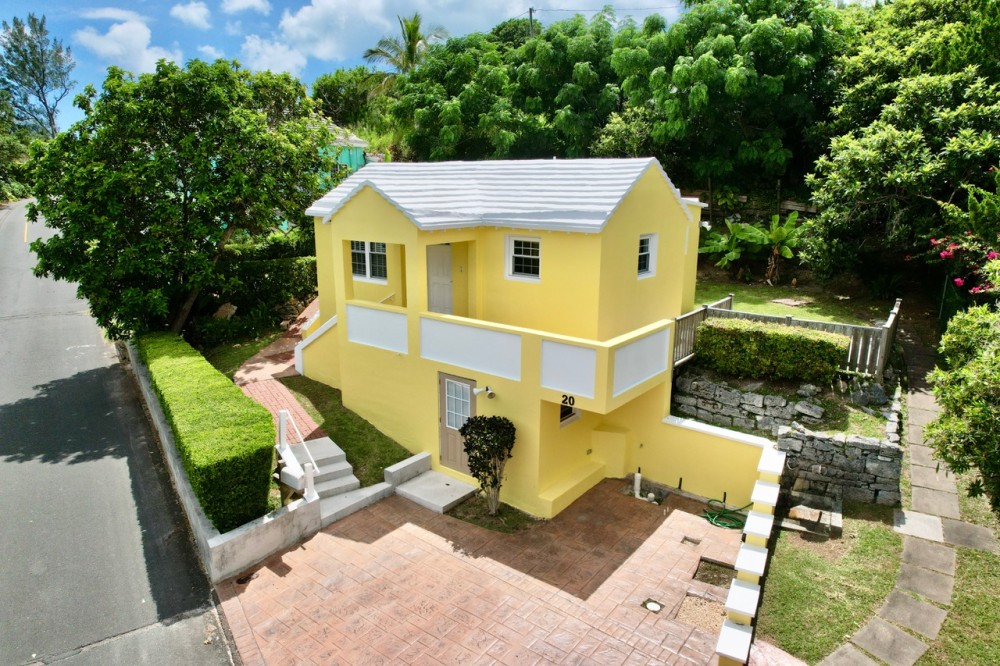
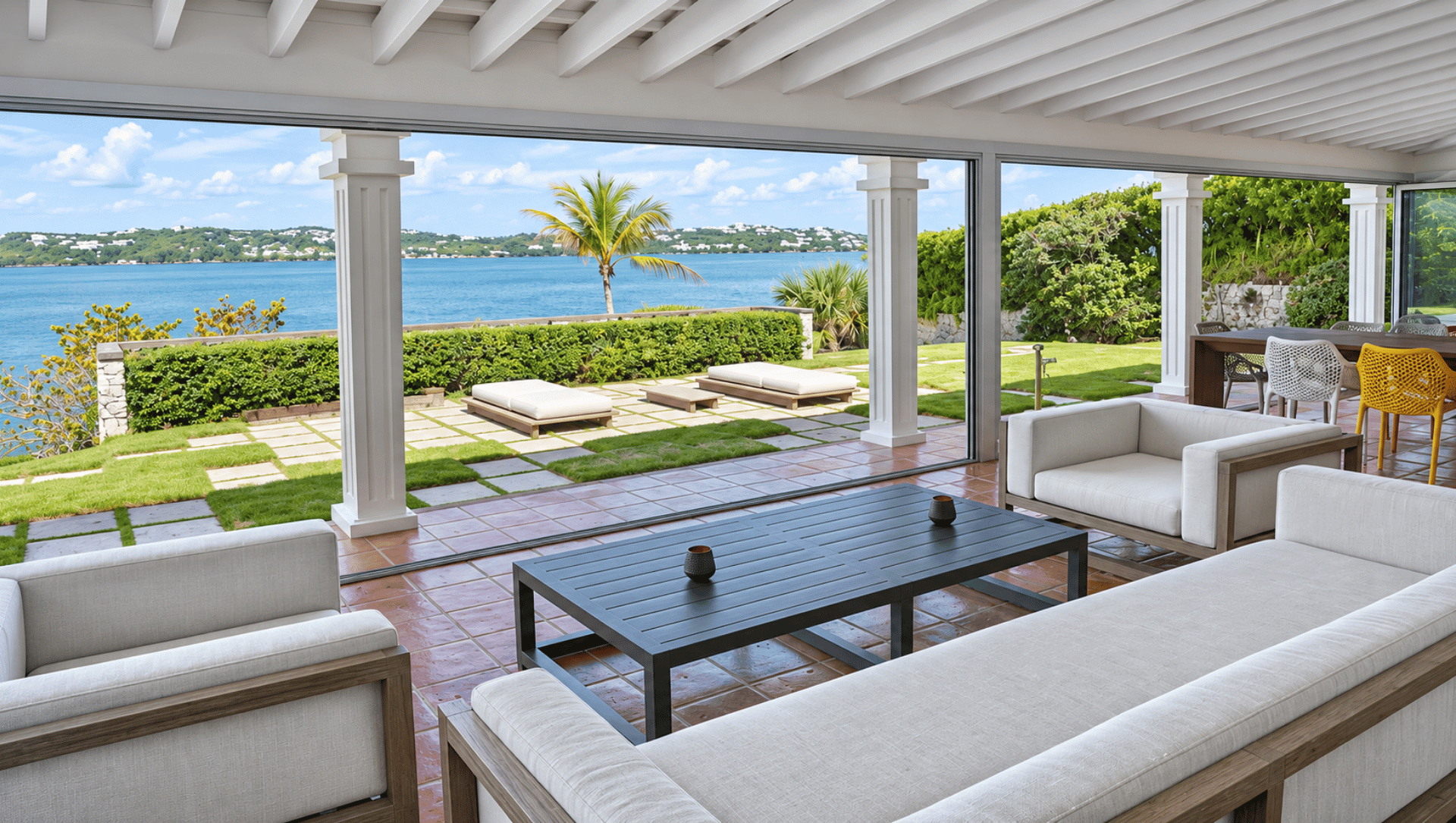
Bermuda homes have distinctive strengths, from stepped white roofs and cedar details to terraces overlooking the water. Preparing a property for sale means protecting those strengths while addressing the effects of humidity, salt air and weather exposure.
This guide explains how to prioritise your budget, improve presentation and decide when selling in the property's current condition makes more sense than undertaking substantial work.

Cost Versus Value: Set a Realistic Budget
An improvement can make a home easier to sell without adding its full cost to the sale price. Before committing, compare contractor quotations with your agent's assessment of the likely benefit for your property and price bracket.
The sterling figures below are illustrative planning allowances, not verified Bermuda contractor rates or forecasts of value added. Obtain current local quotations, confirm the currency and check what labour, materials, delivery and disposal costs are included.
On smaller screens, scroll horizontally to see the full comparison.
| Improvement | Illustrative Budget in GBP | Potential Benefit | When to Prioritise |
|---|---|---|---|
| Roof repairs | £8,000 to £15,000 | Address defects and reduce concerns about future repair costs. | When a professional inspection identifies leaks, damage or deterioration. |
| Exterior painting | £4,000 to £7,000 | Refresh first impressions and protect properly prepared surfaces. | When paint is peeling, faded or visibly tired. |
| Kitchen refresh | £8,000 to £15,000 | Improve functionality and presentation without full replacement. | When worn surfaces or broken fittings detract from an otherwise usable kitchen. |
| Pool resurfacing and equipment | £6,000 to £12,000 | Present an existing pool as a usable, maintained amenity. | When specialist assessment identifies surface or equipment problems. |
| Air conditioning installation or replacement | £10,000 to £18,000 | Improve comfort and address unreliable equipment. | When servicing or targeted repairs cannot resolve significant faults. |
| Garden clearance and planting | £2,000 to £5,000 | Reveal outdoor space, improve access and frame the property. | When overgrowth or neglected planting obscures the home's appeal. |
| Bathroom refresh | £4,000 to £8,000 | Improve cleanliness, usability and visual condition. | When damaged fixtures, tired finishes or poor lighting need attention. |
| Hurricane shutters | £5,000 to £10,000 | Address storm protection needs with suitable products and installation. | When existing shutters are damaged, missing or unsuitable. |
There is no fixed return percentage for these projects. Location, existing condition, workmanship and buyer demand determine whether an improvement increases the achievable price, reduces negotiation pressure or simply meets normal maintenance expectations.
What Bermuda Buyers Notice
Buyers assess how a home will work for them. A terrace may suggest relaxed evenings outside, while a damp smell raises questions about repairs. A well presented kitchen helps buyers imagine moving in, but visible roof damage can overshadow that impression.
Location remains important, but sellers have more control over condition and presentation. Clear pathways, clean windows, usable outdoor areas and maintained fittings help buyers understand what the property offers.
Browse The Property Group's Bermuda properties for sale to see how homes present their strongest features. Asking prices provide context for competition, although they are not evidence of completed sale values.
Exterior Improvements That Deserve Attention
Roof Condition and Water Collection
Arrange a professional assessment if the roof shows signs of damage, persistent staining or leaks. Bermuda's roof and water collection arrangements deserve suitable expertise. Repairs should resolve the underlying issue rather than cover visible symptoms.
Keep records of completed work, contractor details and relevant guarantees. These can help answer buyer questions and support a clearer discussion during the sale process.
Paintwork, Windows and Shutters
A repaint can refresh a tired exterior, provided surfaces are properly prepared and defects repaired first. Choose finishes suited to the building and its exposure. Inspect window frames, doors and shutters for deterioration, corrosion and operating problems.
Storm protection should be assessed for its intended function. Decorative shutters should not be represented as hurricane protection, and a fresh coat of paint does not establish a product's performance rating.

Gardens, Pools and Outdoor Areas
Start with clearance and maintenance. Trim planting where appropriate, remove dead vegetation and make paths easy to navigate. Mature trees can add character, but significant pruning or removal may require specialist advice and permission.
Have existing pools and equipment checked by a suitable contractor. Clean surrounding surfaces, repair damaged paving and check railings. The aim is to show an outdoor area that buyers can understand and enjoy.

Interior Upgrades Worth Considering
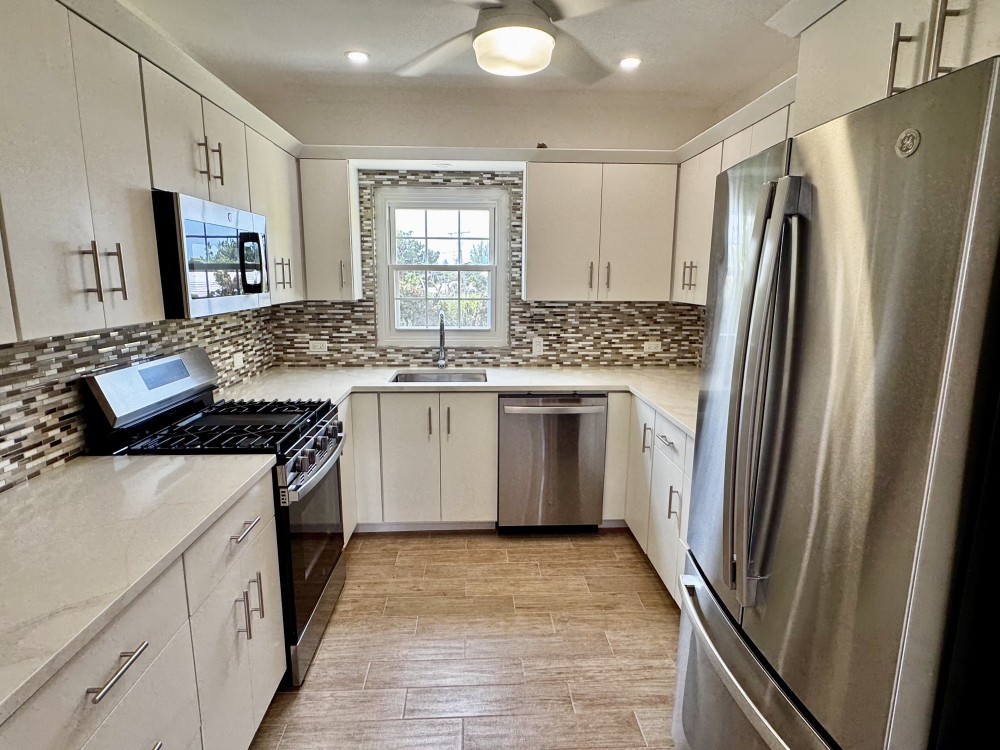
A kitchen refresh can be more proportionate than replacing everything. Repair damaged cabinetry, replace worn handles or worktops where needed and ensure appliances operate correctly. In bathrooms, address leaks, damaged fixtures, failed seals and tired finishes.
The right scope depends on the property's market position. A clean, functional room may need very little work, while an expensive replacement risks using money that would be better spent elsewhere.

Flooring and lighting deserve attention too. Repair cracked tiles, assess whether timber floors need refinishing and clean or replace badly worn carpets. Replace failed bulbs and improve poorly lit areas without choosing elaborate fittings solely for resale.
Air Conditioning and Humidity Control
Have unreliable or noisy equipment inspected before deciding on replacement. A service or targeted repair may be sufficient. If replacement is appropriate, obtain advice on system sizing, installation and expected running costs.
For illustrative budgeting only, the supplied allowances are £1,200 to £2,500 for an installed room unit and £15,000 to £30,000 for a system serving the whole house. Portable dehumidifiers are allowed at £200 to £600, with whole house dehumidification at £3,500 to £8,000. These are not confirmed local quotations.
Musty odours, recurring condensation and visible mould warrant investigation. Identify and correct the moisture source before redecorating. Suitable ventilation, leak repairs and appropriately specified climate control may form part of the solution. Seek professional advice for persistent or extensive problems.
Preserve Traditional Bermuda Character
Cedar beams, original joinery and traditional masonry can distinguish a home from competing listings. Assess whether repair and restoration are more appropriate than replacement, particularly where the building has historic significance.
Avoid stripping original materials or changing finishes without understanding their condition. The aim is to preserve useful character while ensuring the home functions well.

Check Permissions Before Committing
Before starting an extension, structural alteration or significant exterior project, confirm the planning and building approvals required. Listed buildings, protected areas and particular site conditions may affect what is permitted.
Roof alterations may also affect water collection and storage arrangements. Speak with the Bermuda Department of Planning and an appropriate local professional before commissioning work. Allow time for approvals rather than assuming a fixed processing period.
How to Prioritise a Limited Budget
Consider an illustrative £15,000 budget for a Hamilton Parish home. If professional quotations supported the allowances, the seller might allocate £8,000 to necessary roof repairs, £4,500 to exterior painting and £2,500 to garden clearance. A functional kitchen could remain unchanged.
Alternatively, a Warwick property with a sound exterior but faulty climate control and a neglected pool might use a £20,000 budget differently: £12,000 for air conditioning and dehumidification, £6,000 for pool work and £2,000 for professional moisture remediation and associated decoration.
These examples demonstrate allocation choices, not actual projects or promised outcomes. Your agent and contractors should help establish whether the work is proportionate to the likely benefit.
Quick Wins Without Major Expenditure
Declutter rooms so buyers can appreciate their size and layout. Clear worktops, reduce excess furniture and organise storage. Deep clean windows, fittings, cupboards and soft furnishings, paying attention to persistent odours.
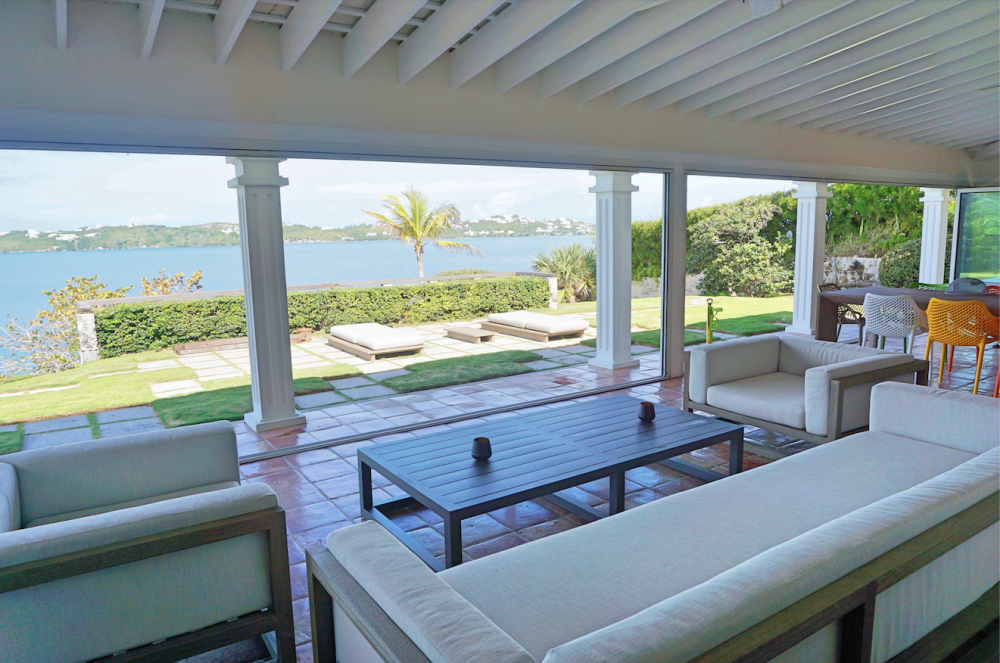
Fix dripping taps, loose handles, failed bulbs and minor paint damage. Arrange outdoor furniture to show how a terrace can be used, and keep entrances, paths and seating areas clean.
What Not to Spend Money On
Be cautious about undertaking expensive projects simply to list the property. Luxury finishes, highly personal design choices and elaborate gardens may not match the next owner's priorities.
The supplied illustrative allowances include £40,000 to £80,000 for a new swimming pool, £15,000 for a designer garden and £25,000 or more for a substantial kitchen replacement. None should be treated as a necessary selling expense or a verified Bermuda price.
Even a smaller kitchen refresh, illustrated at £8,000 to £12,000, needs a clear purpose. Compare the potential benefit with the option of selling a clean, functional home at an appropriate price.
When to Sell in the Current Condition
Selling without major improvements may be sensible when repairs exceed your available funds, approvals would delay your plans or the property is likely to attract renovation buyers.
There is no reliable universal spending threshold. Compare likely sale proceeds after work with the cost, disruption, holding expenses and uncertainty of completing it. Disclose known issues accurately and seek advice on pricing.
For substantial work, obtain multiple quotations, check relevant experience and confirm insurance arrangements. Ask your agent which projects address genuine buyer objections and which can reasonably be left to the next owner.
Get Advice Before You Spend
The Property Group can help you assess your home's market position and decide which improvements deserve attention before listing.
Contact us. Call +1 441 234 6900 or email info@tpg.bm to discuss your property and selling plans.
Frequently Asked Questions
What home improvements add the most value in Bermuda?
Start by assessing unresolved defects, exterior condition, climate control and usable outdoor space. The best investment depends on your home's condition and comparable properties. No project has a guaranteed return.
Should I renovate before selling or sell in the current condition?
Compare the likely benefit with contractor costs, available funds and your timeframe. Targeted repairs may be worthwhile, while extensive renovation may be better left to a buyer seeking a project.
How much should I spend before selling?
Set a property specific budget after obtaining quotations and market advice. Avoid choosing a fixed percentage of the asking price without assessing what the work is likely to achieve.
Do hurricane shutters increase property value?
Suitable, maintained storm protection can contribute to buyer confidence. Whether it increases the achievable sale price depends on the property, installation and market evidence. Confirm product ratings and condition.
Will a new kitchen recoup its cost?
It may not. Repairing worn components and improving presentation can be more proportionate than complete replacement. Ask your agent whether the existing kitchen is a significant obstacle for likely buyers.
What can discourage buyers during viewings?
Visible damage, unresolved moisture problems, persistent odours, faulty equipment and neglected outdoor areas can raise concerns about future costs. Address their causes before investing in decorative upgrades.