Why Bermuda Homes Have White Stepped Roofs

Quick Summary
- Most traditional Bermuda style houses were designed around rainwater collection and underground water storage.
- Bermuda roof design helps collect water, reflect heat, and protect homes during storms.
- White limestone roofs are one of Bermuda’s most recognisable architectural features.
- Traditional Bermudian chimneys and welcoming arm stairs carry both practical and cultural importance.
- St. George’s remains one of the best places to experience authentic Bermudian architecture.
- Overseas buyers should understand water systems, roof maintenance, and historic property ownership before purchasing.
- Authentic Bermudian homes continue attracting strong buyer interest because supply is limited.
The roofs are usually the first thing buyers notice in Bermuda.
Not the beaches. Not the harbour views. The roofs.
Bright white against the blue sky. Stepped like giant stone staircases. Impossible to mistake once you’ve seen them properly.
And after a few days on the island, almost everyone asks the same question.
“Why are all the roofs white?”
At first glance, it feels stylistic. Something designed to make Bermuda look charming and tropical.
But Bermuda roof design was never only about appearance.
These homes evolved because island life demanded practical solutions. Bermuda has no rivers, no lakes, and very limited natural freshwater resources. For generations, collecting rainwater was essential to everyday living, which meant homes had to function differently from houses in most other parts of the world.
That is why traditional Bermuda style houses still feel so distinctive today.
The roof is not simply decorative. It plays an active role in how the property functions.
At Bermuda Property Group, these are the conversations overseas buyers often end up having after their first few property viewings. The architecture catches people emotionally first. Then the practical questions begin.
How does the water system work?
How often does the roof need maintenance?
How large is the underground tank?
Buyers who understand those details early usually make far more informed long term decisions later on.
Why Bermuda Roof Design Exists
One thing many overseas buyers do not realise initially is how important rainwater collection has historically been in Bermuda.Most traditional Bermuda style houses were designed around capturing rainfall and storing it underground for household use. Rainwater lands on the stepped limestone roof, moves carefully through gutters and pipes, and flows into underground tanks called cisterns beneath the property.
Collected rainwater has historically supplied much of a household’s water needs in Bermuda.
That changes how locals think about roofs completely.
In many countries, the roof becomes an afterthought unless there is a leak. In Bermuda, roof condition affects everyday living directly. Water quality, water supply, maintenance costs, and long term upkeep all connect back to the condition of the roof and cistern system.
I’ve seen overseas buyers become completely focused on ocean views, terraces, and interior finishes during property tours. Then several months later the practical side of island ownership starts becoming more important.
Questions usually shift toward:
- How old is the filtration system?
- Has the roof been recoated recently?
- Is the water tank in good condition?
- How reliable is the water pump?
- Does the property require supplementary trucked water during dry periods?
Those details matter here because Bermuda property ownership works differently from ownership in many overseas markets.
One owner I worked with purchased a beautiful historic property with incredible harbour views. The architecture was stunning. The problem was the underground water tank had not been maintained properly for years.
By the end of summer they were relying heavily on delivered water while organising repairs to the system. Expensive. Frustrating. Entirely avoidable with proper inspections beforehand.
That experience completely changed how they viewed property ownership in Bermuda.
After that, they paid more attention to infrastructure than imported kitchen finishes.
Most long term owners eventually do.
Why Bermuda Roofs Are White
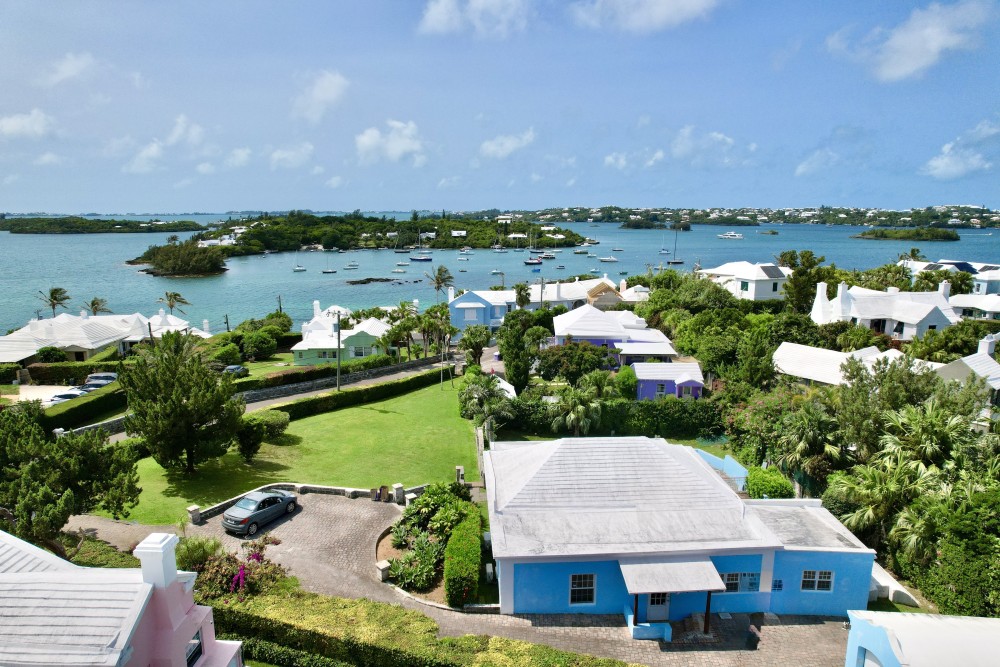
The white roofs are practical first and beautiful second.
That surprises people because they photograph so well.
The limestone based coating helps keep collected rainwater cleaner before it enters underground storage tanks. The bright white surface also reflects heat away from the property, helping homes stay naturally cooler during Bermuda’s warmer months.
You notice the difference stepping inside older Bermudian homes.
I’ve had overseas buyers walk into traditional limestone houses on hot afternoons and immediately comment on how cool the interior feels compared to newer concrete buildings. Thick walls and reflective roofing create a very different atmosphere indoors.
The stepped roof design matters too.
During heavy rainstorms, water flows steadily down each terrace instead of rushing dangerously off the roof all at once. The shape helps control runoff while directing water efficiently into storage systems below.
And Bermuda receives serious rainfall during storm season.
These homes were designed by people who understood island weather intimately because they had to live through it themselves.
Bermuda Roof Maintenance Matters More Than Buyers Expect
One of the biggest surprises for overseas buyers is how important roof maintenance becomes over time.A Bermuda roof is not something you ignore for years.
The limestone coating requires periodic recoating. Gutters need regular cleaning. Cracks need repairing before they spread. Water tanks, pumps, and filtration systems need monitoring too.
Locals notice roof condition immediately because neglected maintenance eventually affects the household water supply.
Signs of trouble can include:
- Dark staining or algae growth
- Cracked limestone surfaces
- Poor water pressure
- Uneven water runoff
- Blocked gutters
- Discoloured water
Buyers unfamiliar with Bermuda living sometimes underestimate how connected the roof is to the day to day function of the property itself.
That usually changes after the first major storm season.
At Bermuda Property Group, conversations with overseas buyers often move beyond aesthetics very quickly once practical ownership questions start entering the discussion.
Bermuda Style Houses Were Built Around Island Conditions
People sometimes compare Bermuda homes to Caribbean villas or luxury waterfront properties elsewhere.
The comparison usually fades after spending time on the island.
Traditional Bermudian architecture evolved specifically around Bermuda’s climate, geography, and resource limitations. Every design feature had a practical purpose tied to island living.
Thick limestone walls helped regulate indoor temperatures naturally.
Deep set windows reduced direct heat exposure and provided additional protection during storms.
Elevated foundations improved airflow through the property.
Compact layouts reduced structural stress during hurricanes.
Roof terraces improved rainwater collection efficiency.
Over generations, those practical decisions created one of the most recognisable architectural styles anywhere in the Atlantic.
And buyers respond strongly to that authenticity.
You can feel the difference walking through an older Bermudian property. The stone feels solid. Rooms stay cool naturally. Rain sounds different against limestone roofs. Even the light entering the house feels softer somehow.
That character is difficult to recreate artificially.
The Real Appeal of Historic Bermudian Homes
One reason authentic Bermudian homes continue attracting attention is simple. Supply is limited.
There are only so many historic properties with original limestone roofs, traditional staircases, preserved chimneys, and authentic architectural detailing left on the island.
That scarcity matters to buyers.
Modern luxury developments exist almost everywhere now. Authentic Bermudian architecture does not.
Properties with original rooflines, limestone detailing, traditional shutters, and historic craftsmanship tend to stand out immediately because they feel connected to Bermuda itself rather than copied from international resort design.
Buyers notice that distinction very quickly once they start viewing homes seriously.
Especially in St. George’s.
St. George’s Still Feels Like Old Bermuda
St. George’s has a very different atmosphere from newer parts of the island.The roads narrow. Limestone cottages sit closer together. White roofs rise above winding streets that still feel shaped by another century entirely.
You notice details there that disappear in newer developments:
- Traditional roof terraces
- Weathered pastel facades
- Historic stonework
- Original chimneys
- Welcoming arm staircases
- Narrow colonial streets
For buyers interested in heritage property, St. George’s often creates an emotional reaction almost immediately.
Some buyers want contemporary waterfront homes with modern layouts and minimal design. Others walk through St. George’s once and instantly understand why people become deeply attached to traditional Bermudian architecture.
It feels authentic. Rooted. Connected to the island’s history in a way newer developments sometimes cannot replicate.

Bermudian Chimneys Are Part of the Island’s Identity
One architectural feature that often surprises overseas buyers is the chimney.
At first glance, large chimneys can seem unusual in Bermuda’s relatively mild climate. Historically though, they played an important role in cooking, heating, and ventilation within traditional limestone homes.
Over time, they became one of Bermuda’s defining architectural details.
Today, preserved chimneys still add enormous character to older homes. Buyers often notice them immediately because they create balance against the white rooflines and limestone walls.
Homes that retain original masonry features frequently feel more authentic and architecturally complete than heavily modernised properties.
And authenticity carries real value in Bermuda’s property market.
What Are Welcoming Arm Stairs?
Many older Bermuda style houses feature staircases that widen outward near the base.
Locals call them welcoming arm stairs.
The nickname makes sense the moment you see them properly. The staircase almost appears to open outward toward arriving visitors.
Originally, the wider design also improved access to homes built on elevated foundations, which became common in traditional Bermudian construction.
Over time, the staircases became both practical and symbolic. They added warmth and personality to homes without feeling overly formal.
It is one of those architectural details buyers tend to remember long after a property viewing ends.
What Buyers Usually Focus On After Viewing A Few Homes
Most overseas buyers begin their search focused on scenery and lifestyle.Then the priorities start changing.
After viewing several Bermuda properties, buyers usually begin asking more practical questions:
- Has the roof been maintained properly?
- Is the cistern system modernised?
- How old is the filtration equipment?
- Does the property still retain authentic Bermudian features?
- Which areas preserve the strongest architectural character?
- Will this property still feel special twenty years from now?
That shift matters.
It is usually the moment buyers stop browsing casually and begin understanding Bermuda property properly.
The architecture changes from something visually attractive into something meaningful, functional, and connected to long term ownership.
Why Choose Bermuda Property Group?
Bermuda Property Group has spent decades helping buyers navigate Bermuda’s residential property market, from historic homes in St. George’s to waterfront properties across the island.Their team works closely with overseas buyers who often need guidance not only on the property itself, but also on the realities of island ownership, maintenance expectations, neighbourhood differences, and long term investment considerations.
That local perspective matters because buying property in Bermuda works differently from many international markets.
At Bermuda Property Group, buyers receive practical insight on:
- Roof maintenance and water collection systems
- Historic property ownership
- Architectural preservation
- Residential market conditions
- Neighbourhood character
- Long term property considerations
That experience helps buyers move beyond surface level impressions and make more informed decisions about Bermuda property ownership.
Bermuda Property Market Trends
Traditional Bermuda style houses continue attracting strong buyer interest, particularly among overseas purchasers looking for authentic architectural character.Buyers consistently search for:
- Historic Bermudian homes
- Traditional white roof properties
- Homes in St. George’s
- Waterfront houses with preserved character
- Renovated heritage properties
- Homes combining modern upgrades with traditional architecture
Part of that demand comes from limited supply.
Authentic Bermudian homes with preserved architectural details are becoming increasingly difficult to find, especially properties that still retain original craftsmanship and historic features.
Unlike trend driven luxury developments, traditional Bermudian architecture rarely feels temporary or interchangeable.
That long term appeal continues supporting demand across Bermuda’s residential market.
Frequently Asked Questions
Why are Bermuda roofs white?
Bermuda roofs are white because the limestone based coating helps reflect heat and keep collected rainwater cleaner before it enters underground storage tanks.
The bright surface also helps homes stay naturally cooler during Bermuda’s warmer months. Since many traditional homes historically depended heavily on collected rainwater, maintaining clean roof surfaces became extremely important.
How does Bermuda roof design collect water?
Traditional Bermuda roof design uses stepped limestone terraces that guide rainwater carefully into gutters and pipes connected to underground cisterns beneath the property.
The terraces slow water flow during heavy rainfall while helping maximise collection efficiency. Many homes also use filtration systems and pumps to distribute stored water throughout the house.
Understanding the water system is an important part of understanding Bermuda property ownership itself.
Do Bermuda homes rely entirely on rainwater?
Many traditional homes rely heavily on collected rainwater stored in underground tanks, although some modern properties may also use supplementary systems or delivered water during dry periods.
Well maintained roofs and properly functioning cistern systems make a significant difference to overall water reliability.
Are Bermuda style houses expensive to maintain?
Maintenance costs vary depending on the age and condition of the property, but traditional homes do require ongoing care. Roof recoating, gutter cleaning, limestone repairs, and water system servicing all form part of long term ownership.
Many buyers feel the architectural character and uniqueness of these homes justify the additional upkeep involved.
Why do Bermuda homes have thick limestone walls?
Thick limestone walls help regulate indoor temperatures naturally while also improving structural durability during storms and hurricane season.
Many older homes remain noticeably cool indoors even during warmer weather because the limestone absorbs heat differently from modern building materials.
What are welcoming arm stairs?
Welcoming arm stairs are traditional Bermudian staircases that widen outward near the base, creating a more open and graceful entrance toward the property.
They became especially common in homes built on elevated foundations and remain one of Bermuda’s most recognisable architectural details today.
Is St. George’s a good place to buy property?
St. George’s appeals strongly to buyers who value architectural history, walkable surroundings, and authentic Bermudian character.
The area contains many preserved limestone homes, historic streets, and original architectural details that are becoming increasingly rare elsewhere on the island. Buyers looking for genuine heritage property often gravitate toward St. George’s very quickly.
Final Thoughts
The biggest mistake overseas buyers make in Bermuda is assuming the architecture exists purely for appearance.
It doesn’t.
Every white roof, limestone wall, chimney, staircase, and underground water tank developed because island life demanded practical solutions over generations.
That is what makes Bermuda style houses so interesting.
They were built to solve real problems involving water shortages, storms, heat, humidity, and limited natural resources.
The beauty came afterwards.
And once buyers understand that, these homes begin feeling far more meaningful than standard luxury property elsewhere.
If you are searching for a Bermuda home with authentic island character, understanding the architecture is only the beginning.
Bermuda Property Group helps overseas buyers navigate everything from historic homes and water systems to neighbourhood selection and long term ownership considerations.
Explore Bermuda property listings or speak directly with a local expert who understands what makes these homes truly valuable.